Important: This page is for informational purposes only, based on published peer-reviewed research and official UK dietary guidelines (NHS, EFSA, SACN). It does not constitute medical advice. Always consult your GP or pharmacist before starting, stopping, or combining supplements.
Vitamin D3 and Vitamin E — Can You Take Them Together?
Overview
Vitamin D3 (cholecalciferol) and vitamin E (alpha-tocopherol) are among the most commonly purchased supplements in the UK, often consumed simultaneously as part of multi-supplement regimens alongside a daily multivitamin. Neither vitamin directly antagonises the other at typical supplemental doses; however, their shared fat-soluble nature means both accumulate in adipose tissue and the liver rather than being excreted efficiently. This creates a meaningful consideration for consumers using multiple products: total daily intake from all sources may approach or exceed the Tolerable Upper Intake Levels established by the European Food Safety Authority (EFSA), particularly during extended supplementation periods. Individual responses may vary based on body composition, liver function, and dietary fat intake.
How They Interact
Fat-soluble vitamins — A, D, E, and K — are absorbed via a common pathway dependent on bile salt-mediated micelle formation in the small intestine. Unlike water-soluble vitamins, which pass through renal filtration with relative efficiency, fat-soluble vitamins are packaged into chylomicrons, transported through the lymphatic system, and deposited in adipose tissue and hepatic stores. This depot storage means cumulative intake over weeks and months determines body burden, rather than any single day's dose. Vitamin D3 undergoes hepatic hydroxylation to 25-hydroxyvitamin D (calcidiol), then renal activation to calcitriol, with catabolism regulated by the enzyme CYP24A1. Vitamin E (alpha-tocopherol) is hepatically sorted by the alpha-tocopherol transfer protein (α-TTP), with excess catabolised via cytochrome P450 enzymes — notably CYP4F2 — producing carboxyethyl hydroxychromanol (CEHC) metabolites excreted in bile and urine. Research suggests that high vitamin E intake may modulate CYP enzyme activity, which could theoretically influence the clearance of co-administered fat-soluble compounds including vitamin D metabolites, though direct clinical evidence for this interaction at consumer-level supplemental doses remains limited.
Timing & Dosage Guidance
Both vitamin D3 and vitamin E rely on dietary fat for optimal intestinal absorption. Evidence demonstrates that vitamin D absorption is substantially enhanced when consumed alongside fat-containing foods, a finding consistent across multiple pharmacokinetic studies. The same principle applies to vitamin E, which depends on micellar solubilisation for uptake across the intestinal epithelium. There is no established requirement to separate these two vitamins temporally — their shared dependency on dietary fat makes co-administration with a meal the primary timing consideration for both. Taking both supplements with the largest or most fat-rich meal of the day is a practical approach aligned with absorption pharmacokinetics. Individual responses may vary, particularly among those with malabsorption conditions affecting bile production or fat digestion.
EFSA has established Tolerable Upper Intake Levels of 100 mcg (4,000 IU) per day for vitamin D and 1,000 mg alpha-tocopherol per day for vitamin E in adults. The NHS recommends most UK adults supplement 10 mcg (400 IU) of vitamin D daily during autumn and winter — far below the EFSA upper limit. Typical UK vitamin E supplements contain 12–268 mg per serving. The accumulation risk emerges primarily when consumers combine multiple products simultaneously — for example, a multivitamin providing both nutrients alongside individual vitamin D and vitamin E capsules. Summing intake across all supplement sources is prudent in such cases. Those taking higher therapeutic doses of vitamin D (2,000–4,000 IU) under clinical supervision should account for any additional vitamin E intake from concurrent products.
Recommended Action
Vitamin D3 UL is 4000 IU/day (EFSA) though some researchers argue for higher. Vitamin E UL is 1000mg/day (alpha-tocopherol). Checking combined intake from all supplements is prudent.
Vitamin D3 Timing
When: Morning
Note: Fat-soluble — better absorbed with a meal containing dietary fat
Vitamin E Timing
When: Morning
Note: Fat-soluble — take with a meal containing dietary fat. High doses may increase bleeding risk.
Scientific Evidence
4 peer-reviewed studies cited. All links lead to PubMed abstracts.
Annals of Internal Medicine (2005) · PMID: 15537682
A meta-analysis of 19 clinical trials found that vitamin E supplementation at doses of 400 IU per day or above was associated with a statistically significant increase in all-cause mortality, supporting conservative dosing and the relevance of EFSA's upper limit.
American Journal of Clinical Nutrition (1999) · PMID: 10232622
Systematic review indicating vitamin D toxicity is rare below approximately 10,000 IU per day in healthy adults, whilst underscoring the importance of monitoring total intake across all supplement sources to avoid chronic fat-soluble accumulation.
Cochrane Database of Systematic Reviews (2012) · PMID: 22419320
Cochrane review of 78 trials found no mortality benefit and a potential increase in all-cause mortality associated with high-dose antioxidant supplementation including vitamin E, reinforcing the case for supplementation within established upper limits.
Journal of Dermatologic Treatment (2011) · PMID: 20653487
RCT co-supplementing 1,600 IU vitamin D3 and 600 IU vitamin E daily over 60 days reported significant clinical improvements in skin outcomes with no adverse interaction observed between the two fat-soluble vitamins at these doses.
Frequently Asked Questions
Research does not indicate a direct harmful interaction between vitamin D3 and vitamin E at typical supplemental doses. The principal concern is cumulative fat-soluble vitamin intake from multiple supplement sources pushing total daily intake towards EFSA's established upper limits — 100 mcg (4,000 IU) for vitamin D and 1,000 mg alpha-tocopherol for vitamin E. Individual responses may vary depending on liver health, body composition, and baseline dietary intake of both nutrients from food sources.
Fat-soluble vitamins share a common bile-dependent absorption route in the small intestine, meaning very high doses of one could theoretically reduce uptake of another through competition for micellar incorporation. Studies indicate this competition is clinically significant primarily at doses considerably exceeding normal supplemental ranges. At intake levels consistent with NHS and EFSA guidance, co-absorption competition is not considered a meaningful concern, and taking both with a fat-containing meal optimises absorption of each independently.
Sum the vitamin D and vitamin E content from every supplement taken daily — including multivitamins, combination products, and individual capsules — and compare each total against EFSA's upper limits: 100 mcg (4,000 IU) for vitamin D and 1,000 mg alpha-tocopherol for vitamin E. Note that dietary sources contribute additional amounts. The British Dietetic Association provides guidance on estimating dietary contributions before adding supplemental doses to the total.
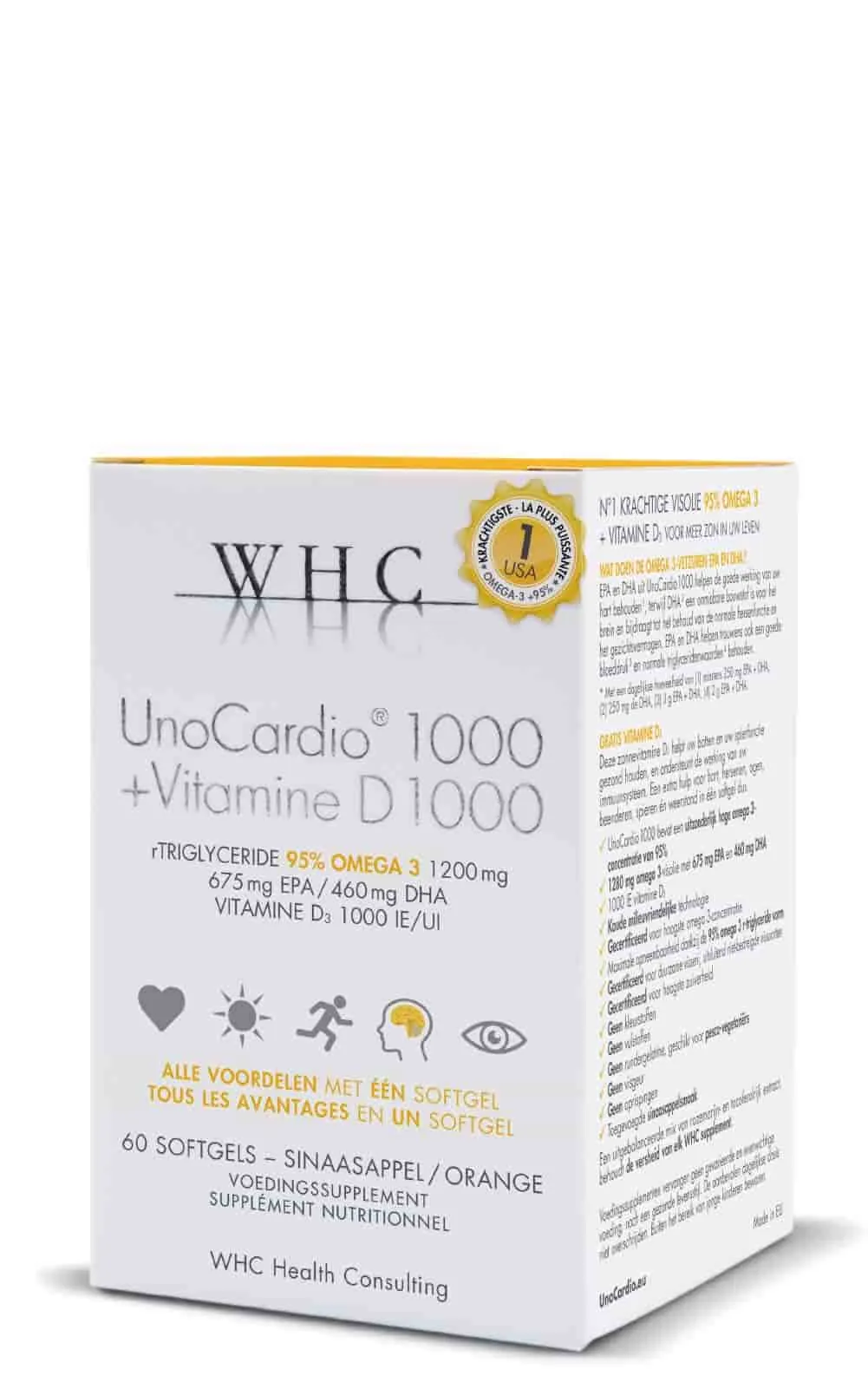
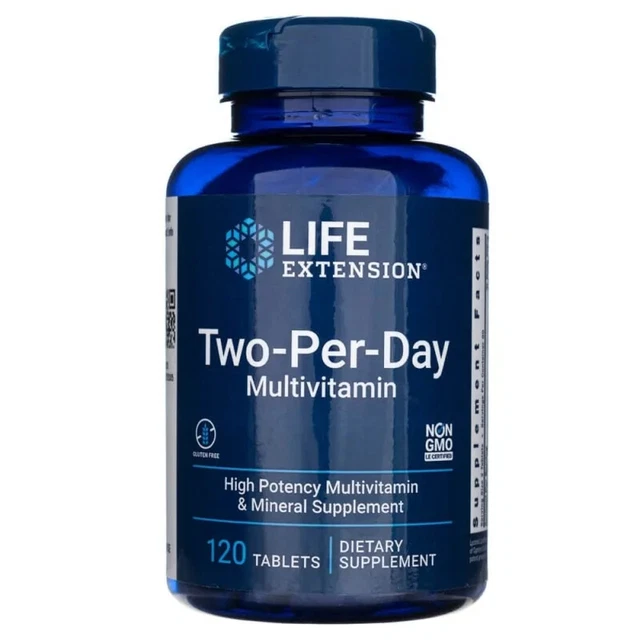
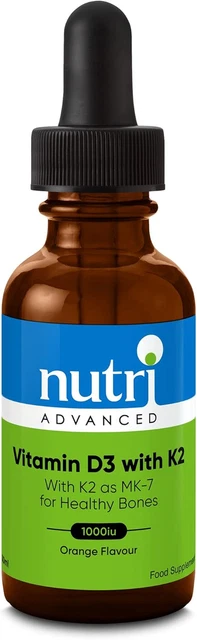
Top Vitamin D3 Products on AIScored
Top Vitamin E Products on AIScored

Advanced Hydrolysed Marine Liquid Collagen Couples Supply (2x 28-Day Supply)

Want to check more interactions?
Add these and other supplements to our interactive Stack Analyzer for a full analysis.
Build your full stack →