Important: This page is for informational purposes only, based on published peer-reviewed research and official UK dietary guidelines (NHS, EFSA, SACN). It does not constitute medical advice. Always consult your GP or pharmacist before starting, stopping, or combining supplements.
Vitamin D3 and Vitamin K2 — Can You Take Them Together?
Overview
Vitamin D3 and Vitamin K2 are complementary fat-soluble vitamins that research suggests work in concert to regulate calcium metabolism. Whilst vitamin D3 increases intestinal calcium absorption, vitamin K2 plays a critical role in directing that calcium to bone tissue and helping to prevent its accumulation in arterial walls and soft tissue. This pairing has attracted considerable scientific interest in the context of both skeletal and cardiovascular health. The evidence base continues to mature, and individual responses may vary depending on baseline nutritional status, diet, and genetic factors.
How They Interact
Vitamin D3 (cholecalciferol) exerts its primary action by upregulating calcium absorption in the small intestine via TRPV6 calcium transport channels, whilst also enhancing renal calcium reabsorption. The result is a meaningful increase in circulating calcium availability. Vitamin K2 — particularly the long-chain menaquinone MK-7 — acts as an essential cofactor for the enzyme gamma-glutamyl carboxylase, which carboxylates two key vitamin K-dependent proteins. Osteocalcin (bone Gla protein, or BGP) requires this carboxylation to bind calcium ions and integrate them into the hydroxyapatite matrix of bone tissue; in an under-carboxylated state, it cannot perform this function effectively. Matrix Gla protein (MGP), found in arterial walls and cartilage, similarly requires K2-mediated carboxylation to inhibit soft-tissue calcification. Studies indicate that insufficient K2 status may leave the elevated circulating calcium driven by vitamin D3 inadequately directed, potentially increasing markers of vascular calcification. Together, these two vitamins operate what researchers have described as an integrated calcium-trafficking system, with D3 raising the supply and K2 governing its distribution.
Timing & Dosage Guidance
Both vitamin D3 and K2 are fat-soluble vitamins, meaning their absorption is significantly enhanced when taken with a meal containing dietary fat. Research supports co-administration with the largest meal of the day — commonly lunch or dinner — as a practical approach for optimising bioavailability. There is no evidence indicating that these vitamins need to be taken at different times; they can be consumed together without affecting each other's absorption. MK-7, the most widely studied K2 form, has a plasma half-life of approximately 72 hours, making once-daily dosing sufficient to maintain stable circulating levels. Consistent daily intake is more important than the precise time of consumption.
The NHS recommends that UK adults supplement with 10 mcg (400 IU) of vitamin D3 daily during autumn and winter when sunlight exposure is insufficient for endogenous synthesis. Research studies investigating vitamin D3's effects on calcium metabolism commonly use doses of 25–100 mcg (1,000–4,000 IU) daily. EFSA sets the nutrient reference value (NRV) for total vitamin K at 75 mcg. Clinical trials examining K2's effects on bone and vascular outcomes have typically used MK-7 at 90–360 mcg per day. No established tolerable upper intake level has been set for K2 from supplements in healthy adults, though those prescribed vitamin K antagonist anticoagulants — such as warfarin — must consult their GP before adding K2 to their regimen. Individual responses may vary based on baseline nutritional status.
Recommended Action
These are commonly taken together with a meal containing fat, as both are fat-soluble.
Vitamin D3 Timing
When: Morning
Note: Fat-soluble — better absorbed with a meal containing dietary fat
Vitamin K2 Timing
When: Morning
Note: Fat-soluble — take with a meal containing dietary fat
Scientific Evidence
3 peer-reviewed studies cited. All links lead to PubMed abstracts.
Thromb Haemost (2013) · PMID: 23525894
MK-7 improved bone mineral content and femoral neck geometry vs placebo
Journal of Nutrition (2004) · PMID: 15514282
In a prospective cohort of 4,807 adults, higher dietary menaquinone (vitamin K2) intake was associated with significantly reduced coronary heart disease mortality and all-cause mortality, supporting a cardiovascular protective role for K2 independent of vitamin K1.
Thrombosis and Haemostasis (2015) · PMID: 25516361
Daily supplementation with 180 mcg MK-7 over three years significantly reduced age-related arterial stiffening in postmenopausal women compared to placebo, with effects attributed to activation of matrix Gla protein in arterial tissue.
Frequently Asked Questions
Research suggests it is prudent to consider K2 when supplementing vitamin D3, particularly at doses above the NHS-recommended 400 IU. A three-year randomised controlled trial (Knapen et al., Thrombosis and Haemostasis, 2013) demonstrated that MK-7 supplementation improved bone mineral content and femoral neck geometry compared to placebo. That said, evidence for mandatory co-supplementation is still developing, and individual health circumstances differ. Consulting a healthcare professional remains advisable.
MK-7 (menaquinone-7) has a substantially longer plasma half-life than MK-4 — approximately 72 hours versus a few hours — allowing once-daily dosing at lower amounts to maintain consistent circulating levels. Most peer-reviewed research on cardiovascular and skeletal outcomes has employed MK-7. MK-4 has distinct biological roles and features in some clinical trials at higher doses. Individual responses may vary, and the optimal form may depend on specific health goals.
Vitamin K2 supplementation may influence the efficacy of warfarin and other vitamin K antagonist anticoagulants by competing with the drug's mechanism of action. This is a well-characterised drug–nutrient interaction. Anyone prescribed warfarin or similar anticoagulants should consult their GP or anticoagulation nurse before adding K2 to their supplement routine. This caution applies regardless of whether K2 is taken alongside vitamin D3 or independently.
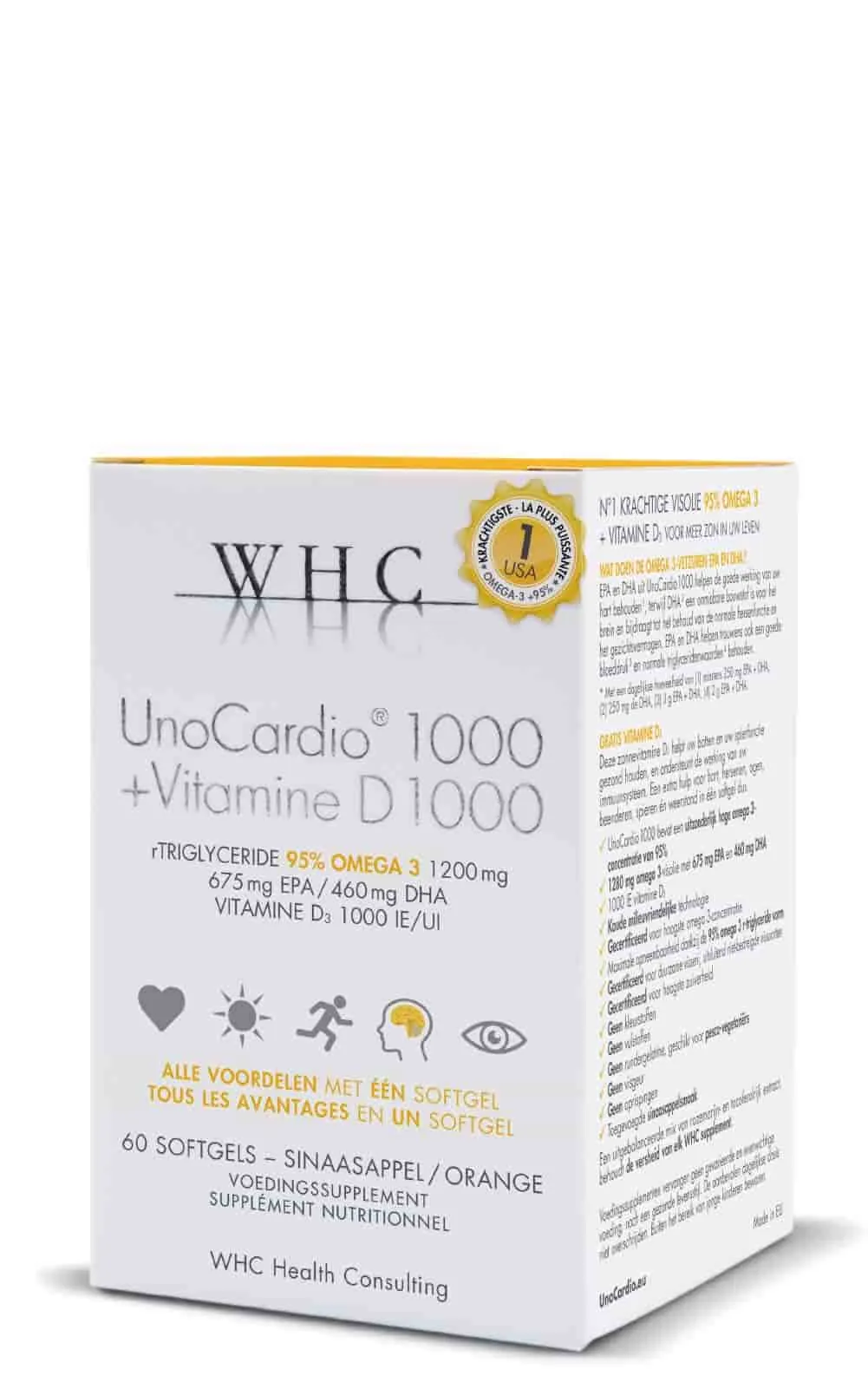
Top Vitamin D3 Products on AIScored

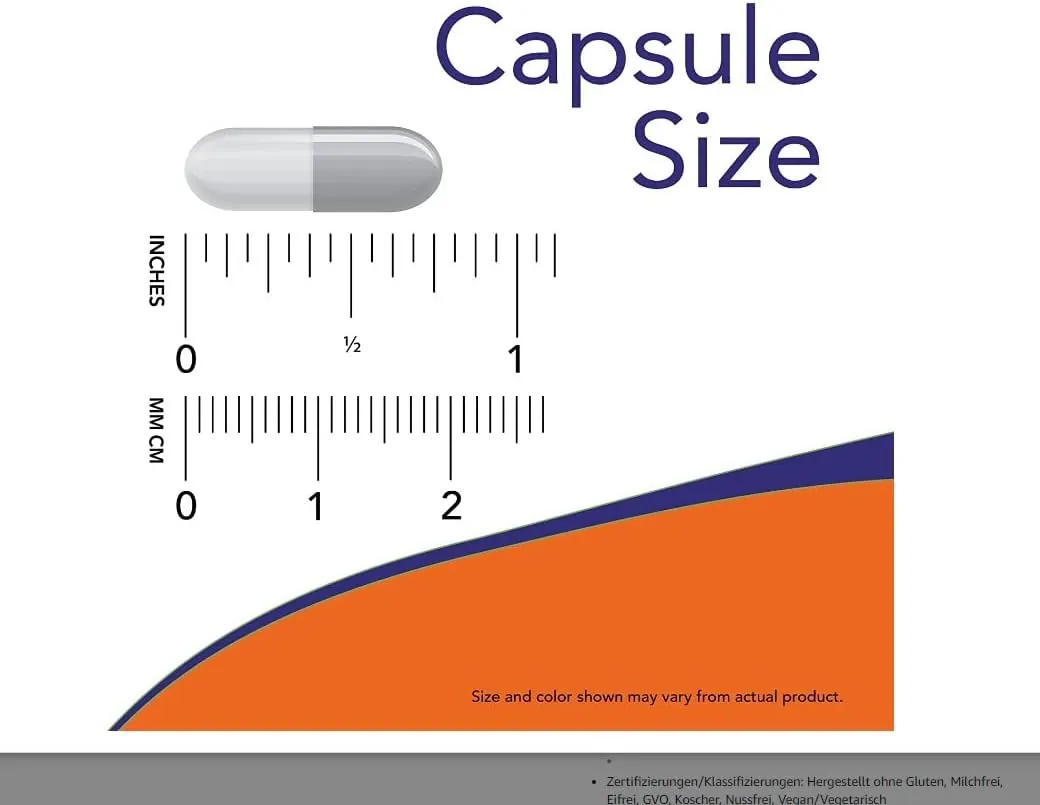
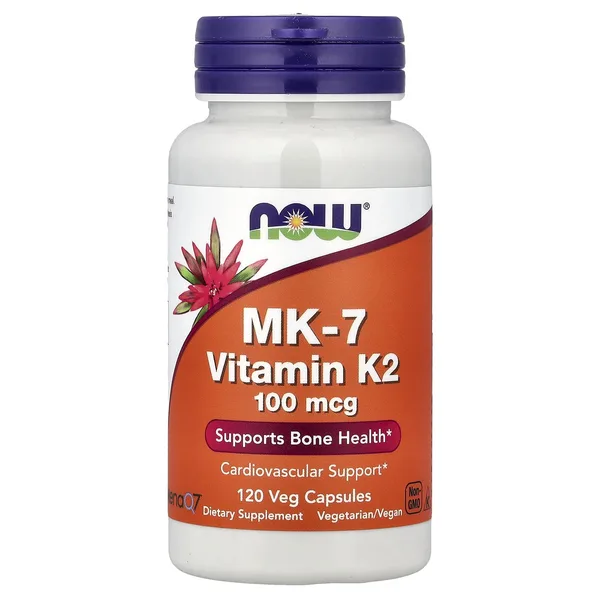
Top Vitamin K2 Products on AIScored
Want to check more interactions?
Add these and other supplements to our interactive Stack Analyzer for a full analysis.
Build your full stack →